Creating a Personal Budget
Creating a personal budget means planning how you will use your money each month. It helps you meet your needs, pay bills on time, and still save for the future. Start by writing down your income and listing every expense you have — rent, food, transport, phone bills, and others. Divide them into needs and wants.
- Calculate your income: Include salary, freelance work, or side jobs.
- List your monthly expenses: Rent, food, transport, and utilities.
- Use the 50/30/20 rule: Spend 50% on needs, 30% on wants, and save 20%.
- Adjust as needed: If expenses exceed income, reduce non-essential spending.
A personal budget keeps you organized and gives you control over your finances. It’s not about restriction — it’s about direction.
Tracking Expenses
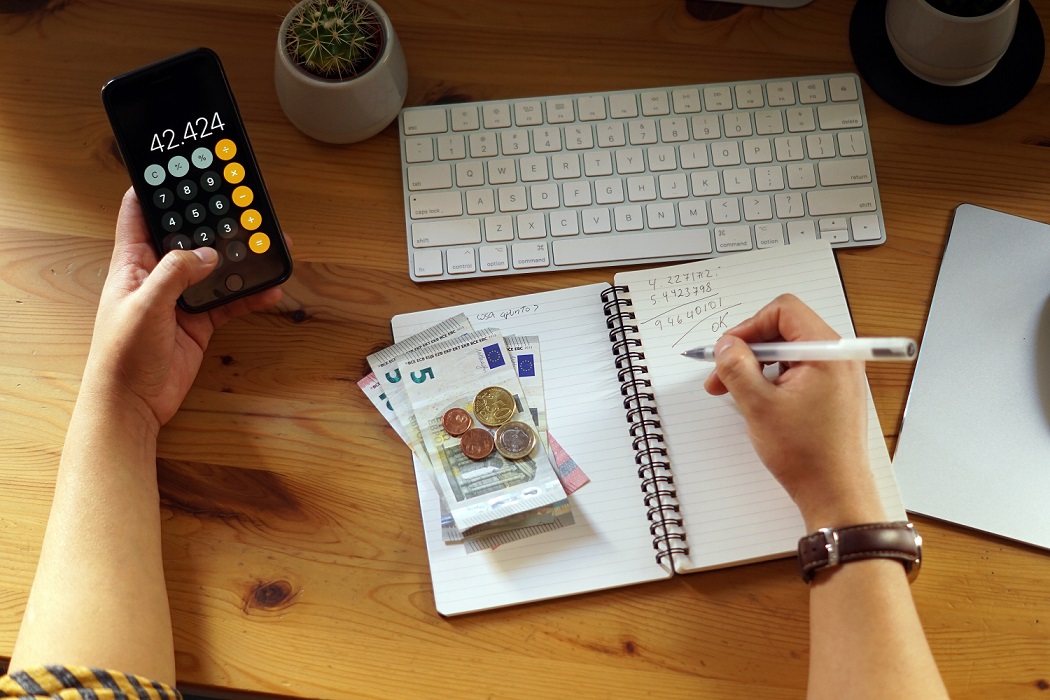
Tracking expenses means recording where your money goes. This step helps you see spending habits and find ways to save more. Even small daily costs can add up by the end of the month.
- Keep a notebook or mobile app to log every expense daily.
- Review your records weekly to understand your spending trends.
- Identify unnecessary costs like eating out too often or unused subscriptions.
- Set a spending limit for entertainment and leisure activities.
When you track your spending carefully, you stay aware of your money and stop waste before it happens.
Emergency Fund Basics
An emergency fund is your financial safety net. It helps you handle unexpected situations like medical bills, job loss, or home repairs. Without one, you may need loans or credit cards that add debt.
- Start small by saving a fixed amount each week or month.
- Keep your emergency money in a separate savings account for easy access.
- Aim to save enough to cover at least 3 to 6 months of basic living expenses.
- Don’t use this fund unless it’s a real emergency.
Building an emergency fund gives peace of mind and keeps your budget safe during difficult times.
Tools & Apps for Budgeting
Modern technology makes budgeting simple. You can use free or low-cost apps that automatically track spending, set savings goals, and show where your money goes.
- Mint: Tracks income, spending, and bills in one place.
- Goodbudget: Uses virtual “envelopes” to divide money for different needs.
- Wallet: Helps monitor daily transactions and monthly goals.
- Google Sheets: A manual but effective way to manage your own budget.
Using apps saves time and keeps your financial life clear and organized. Pick one that fits your comfort and start tracking today.
Budgeting & Money Management helps you take charge of your income. The goal is not just saving money, but building confidence, stability, and a better future for yourself and your family.